Go First
Hear what your team isn't telling you.
Make better decisions, faster.
Stop burning out your best people.
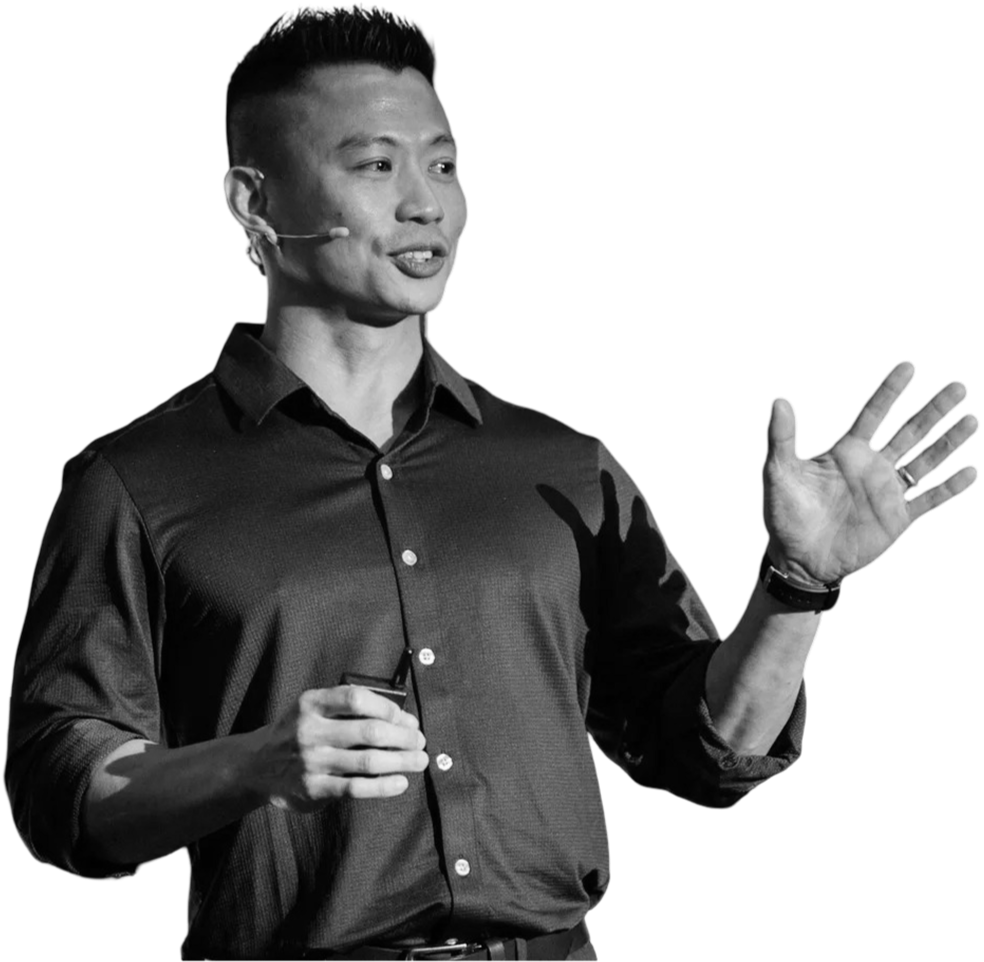
Newton Cheng is a Former Google Executive, Workplace Health
and Performance Expert, and World Champion Athlete








Your people know far more
than they're telling you.
Pressure is rising. So is fear. And when people are afraid, they stop
telling leaders what they know.
You think you have communication, coordination, or culture
problems, but underneath all of these is fear.
And no one ever taught leaders what to do about fear.

Fear is already costing you.
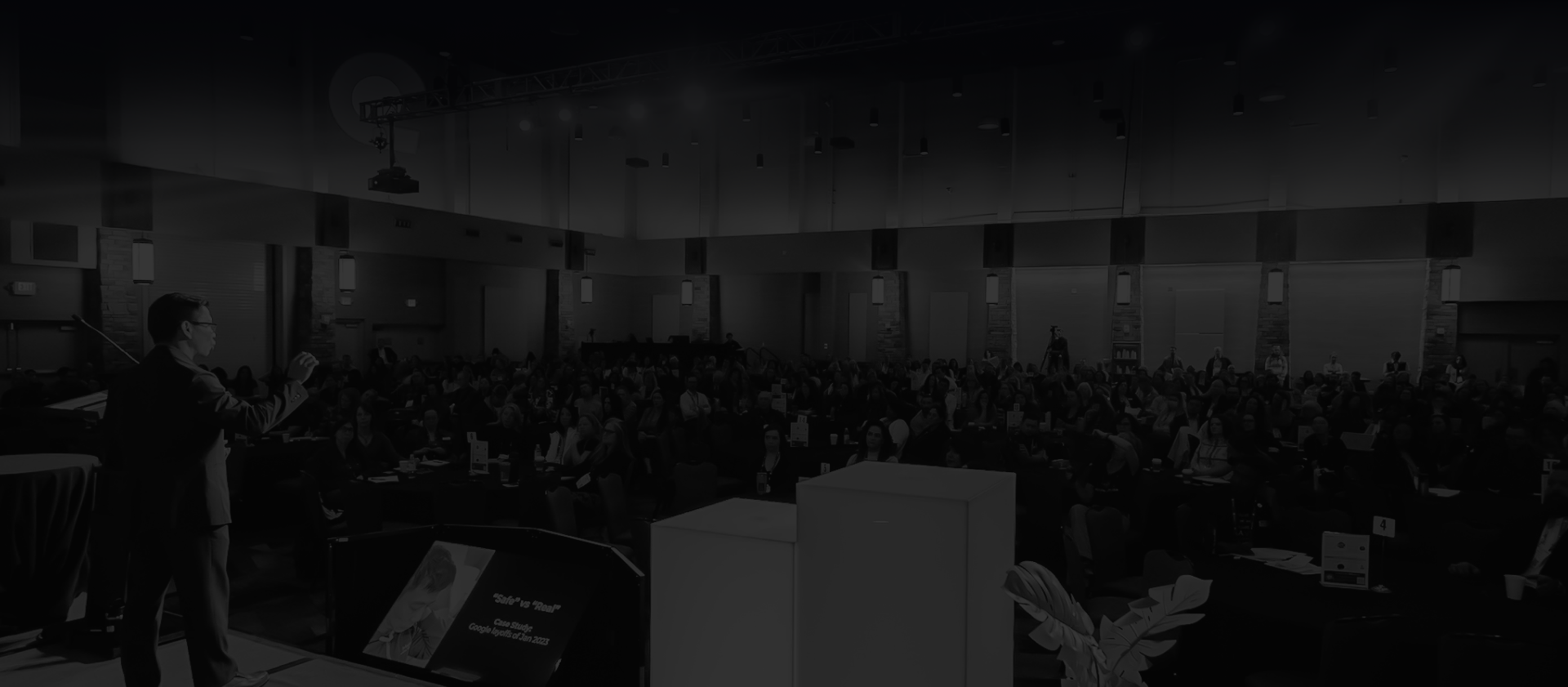
Psychological safety was the single strongest predictor of team performance, according to Google's own internal research.
Only 45% of workers say they feel safe sharing their honest opinions at work.
Only half of employees say their managers actually create psychological safety on their teams.
Sources: Google Project Aristotle; Ipsos; Niagara Institute

Imagine knowing what's
actually happening throughout
your organization.
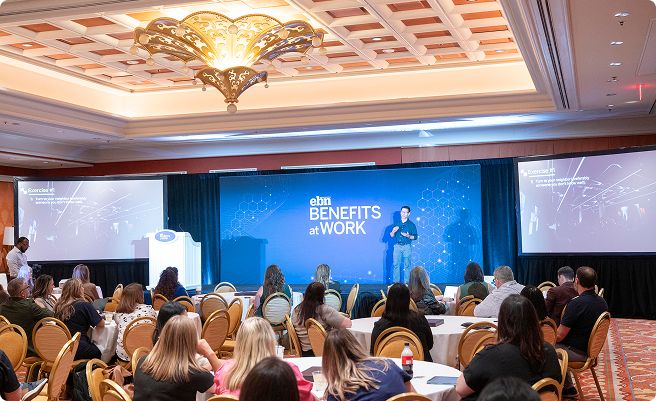


Risks surface earlier. Hard truths come out before they get expensive. Your team faces uncertainty together instead of hiding from it.
That’s a competitive advantage built on a clearer picture of reality.

Every organization is
running one of these two
chains right now.
- Fear rises
- People protect themselves
- They withhold what they know
- Collective intelligence shrinks
- Decisions slow and degrade
- The organization suffers
- Vulnerability enables connection
- Connection builds trust and counters fear
- People share what they know
- Collective intelligence expands
- Decisions speed up and improve
- The organization thrives
One leader can move an entire organization
from the first chain to the second.
Not just theory.
A concrete
practice tested under real conditions.
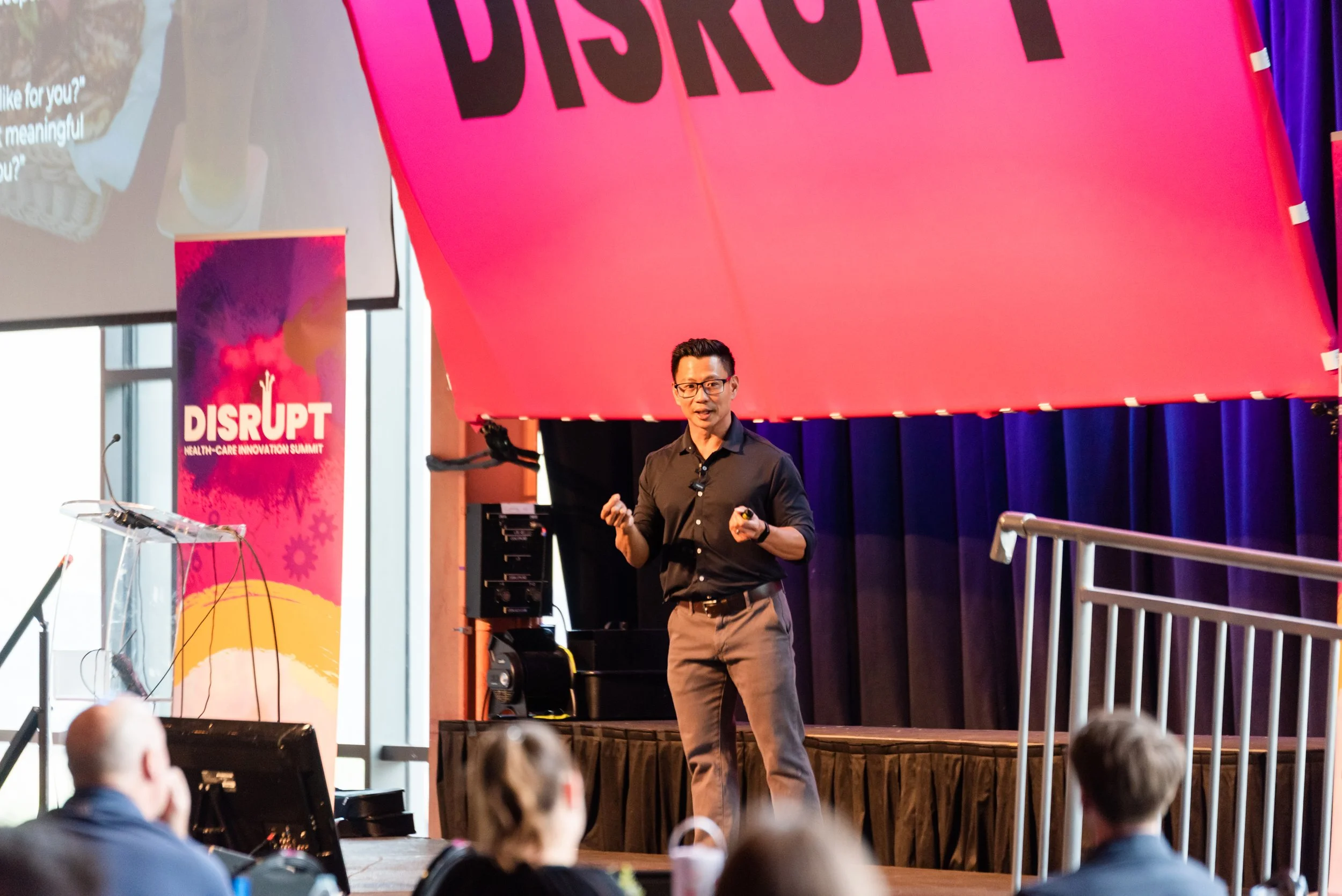
Newton Cheng spent his first 13 years at Google simultaneously climbing the ranks to become an executive, building a world leading portfolio of health and performance programs, and becoming a world champion athlete.
Then he walked onstage, set his keynote script aside, and told a room full of leaders the trust about what that level of performance was costing him. What happened next changed how he led.

Newton calls his
approach Strategic
Vulnerability.
It’s a deliberate choice made by the leader about what to share and why, in order to build trust before a crisis forces the issue. It's not oversharing, or emotion for its own sake. It's a powerful leadership capability tailor made for today's challenges.
Strategic
Vulnerability
The leadership capability that expands collective intelligence, improves decision quality, and helps organizations thrive under pressure.
This isn't just a talk. People practice a new capability, live, in the room.
Newton draws on lived experience as a Google executive that disclosed his mental health challenges but continued to lead, and on his training as an award-winning facilitator, and has turned that experience into a process audiences apply with each other in real time.
Your people will
Understand how pressure changes behavior, and how fear shrinks collective intelligence
Learn how to counteract fear by practicing Strategic Vulnerability
Walk away having already built real trust with people in the room
Your organization will get
Faster, better decisions
Earlier risk identification
Higher adaptability and stronger team wellbeing

What People Say

“Our leaders left the room talking openly about fear, trust, and what it takes to lead through pressure.”
"You made a hard topic feel safe to talk about. Our leaders connected with the ideas right away and were sharing real experiences within minutes. The practical tools on strategic vulnerability gave our teams something they could use the very next day."
“The way you demonstrated how vulnerability builds trust through real, relatable examples really landed well.”
"You struck the right balance with vulnerability. You effectively connected it to teamwork, trust, and leadership, advocating for mental health while also making it practical and actionable. The way you demonstrated how vulnerability builds trust through real, relatable examples really landed well."
“Honest, human, and immediately useful for everyone in the room.”
"The session set the tone for the whole conference. You brought honesty and warmth to the stage, and the audience stayed engaged from start to finish. Attendees were still talking about vulnerability and trust in the hallways long after."