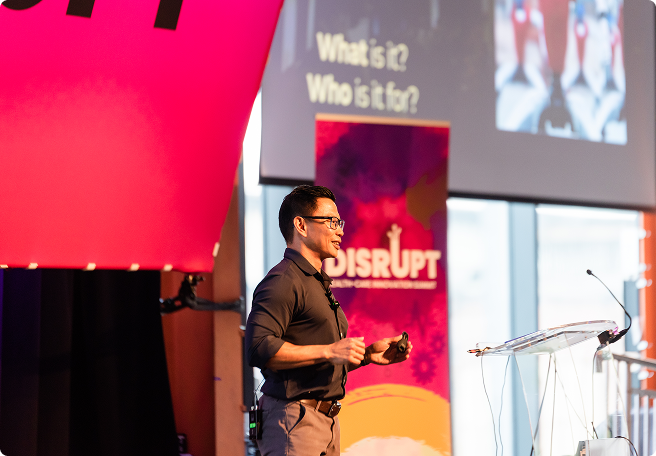
Hi, I'm Newton.
I’m a former engineer and Google executive, world champion powerlifter, and husband and father. For 17 years, I oversaw programs to help every Google employee perform at their best, and pushed myself alongside them to world class performance.
Along the way I broke.
But unlike many other leaders, I didn’t hide it.
And what happened next changed the way
I think about leadership.


From a young age, I've always been good at performing.
I learned early how to solve hard problems, carry responsibility, and keep moving forward. Engineering taught me to understand systems. Powerlifting taught me discipline, repetition, and what separates “good” from “world class” performance.
Google gave me the opportunity to lead at scale, and the chance to work on the leading edge of corporate health and performance programs. From the outside, it looked like I had both the expertise and the achievements to back it up.
But there was another part of the story I wasn't talking about.


Then I went off script.
In 2021, I walked onto a stage at Google with a prepared keynote. I didn’t give it.
Instead, I told the room that I was struggling with depression and anxiety and was about to take mental health leave because I was ashamed of how I was showing up as a husband and father. I had spent years building my credibility as a leader. In that moment, I genuinely wondered whether I had just destroyed it.
The opposite happened.
People started opening up. Conversations became more honest. Leaders shared things they had also been hiding out of fear and shame. And I began noticing something I hadn't fully understood before:
When one person goes first, it can change what everyone else believes is safe to say.
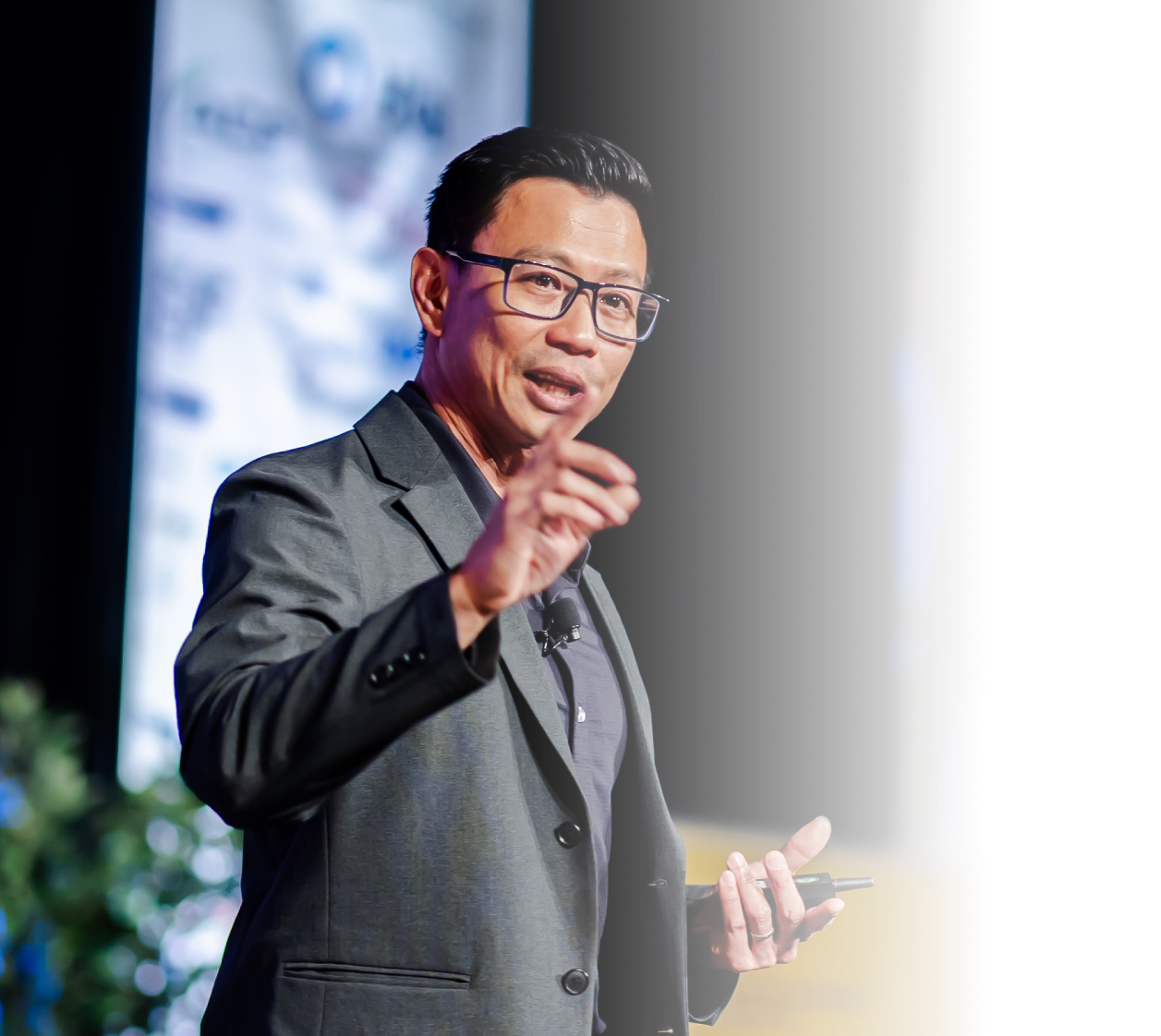

So I did what an engineer
does. I took it apart.
I continued sharing openly as a new leadership practice.
When other leaders asked how I was able to be so vulnerable while managing my reputation, I didn't have a useful answer.
So I started studying what was happening.
What made that first moment work? Why did it continue to work? Why was this practice creating trust instead of reducing it? Could vulnerability be used as a common practice by any leader? Could it be taught?
Eventually, I found a method for what I was practicing. I call it Strategic Vulnerability.
It’s not vulnerability for its own sake.
It’s a practical way for leaders to develop a new capability that creates the conditions for more honest conversations, better information flow, and better decisions.
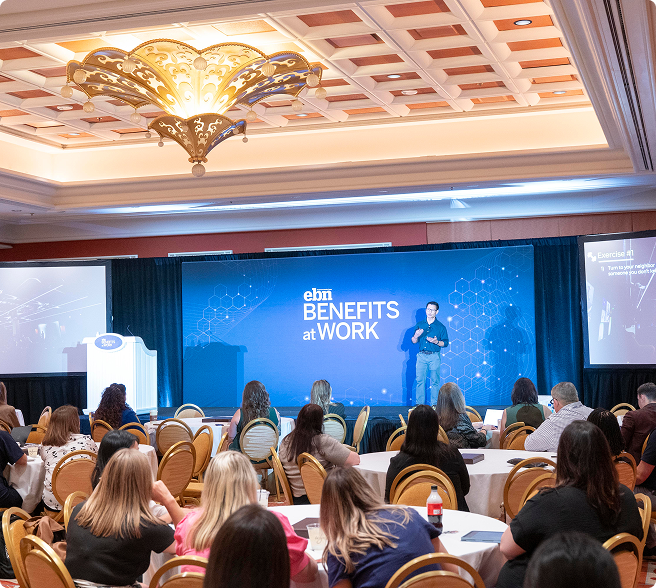

How I Think
About
Leadership
Leadership is something you practice.
Powerlifting taught me that strength comes from reps. Engineering taught me that complex problems become easier when you understand the system underneath them. Facilitation taught me that people rarely change because someone gave them another slide.
Those ideas shape everything I do now.
I don’t give leaders perfect answers. I help them and their teams get just enough joint clarity to take the next useful step.
Enough to have the tough conversation, to make the difficult decision, and to make the next move together.

A Few Things I Believe
Real talk begets real talk.
Someone has to go first.
Certainty isn’t always credibility.
Sometimes the strongest thing a leader can say isn’t just, “I don’t know yet.” It’s “And I’m honestly worried too.”
Vulnerability is a capability.
You can build it deliberately through repetition, like strengthening a muscle.
People know more than leaders can see.
The challenge is creating the conditions where they’re willing to share it.
The goal: better leadership, better teams, and better decisions.

I practice what I preach.
I’m still doing the reps.
I’ve worked with leaders across technology, healthcare, education, academia, nonprofits, and the military.
I'm still an athlete. I still think like an engineer. I’m still learning how to lead better.
And I'm raising two daughters with my wife, which gives this work a much longer horizon for me. I want them to enter workplaces where being fully human isn't something people have to earn permission for.
There's plenty I still don't know. That's the whole point.